
Blogs
Insights, health tips, and real stories from Gateway Clinics And Hospitals.
Junk Food vs. Your Liver: 3 Hidden Fats
The silent fats that build up from junk food — and how to reverse the damage quickly.

New Mom, New Body: 15-Minute Meal Plans Post-Delivery
Fast, nourishing 15-minute meal plans to heal, nourish, and help postpartum recovery.

How Cosmetic Gynecology Can Save Marriages: Restoring Intimacy and Confidence
Transformative solutions that restore comfort, confidence, and connection.
How PCOS Is the New Nightmare of Gen Z: Why Young Women Are Struggling
Why PCOS is rising in 18-25-year-olds and how to fight back with the right care.
Understanding Hernias: Symptoms, Causes, and Effective Treatments
Comprehensive guide to hernia diagnosis, treatment options, and prevention strategies.
Breast Cancer Surge: Why Cases Have Doubled for Women in the Last Decade
Understanding the rise in breast cancer cases and empowering early detection and treatment.
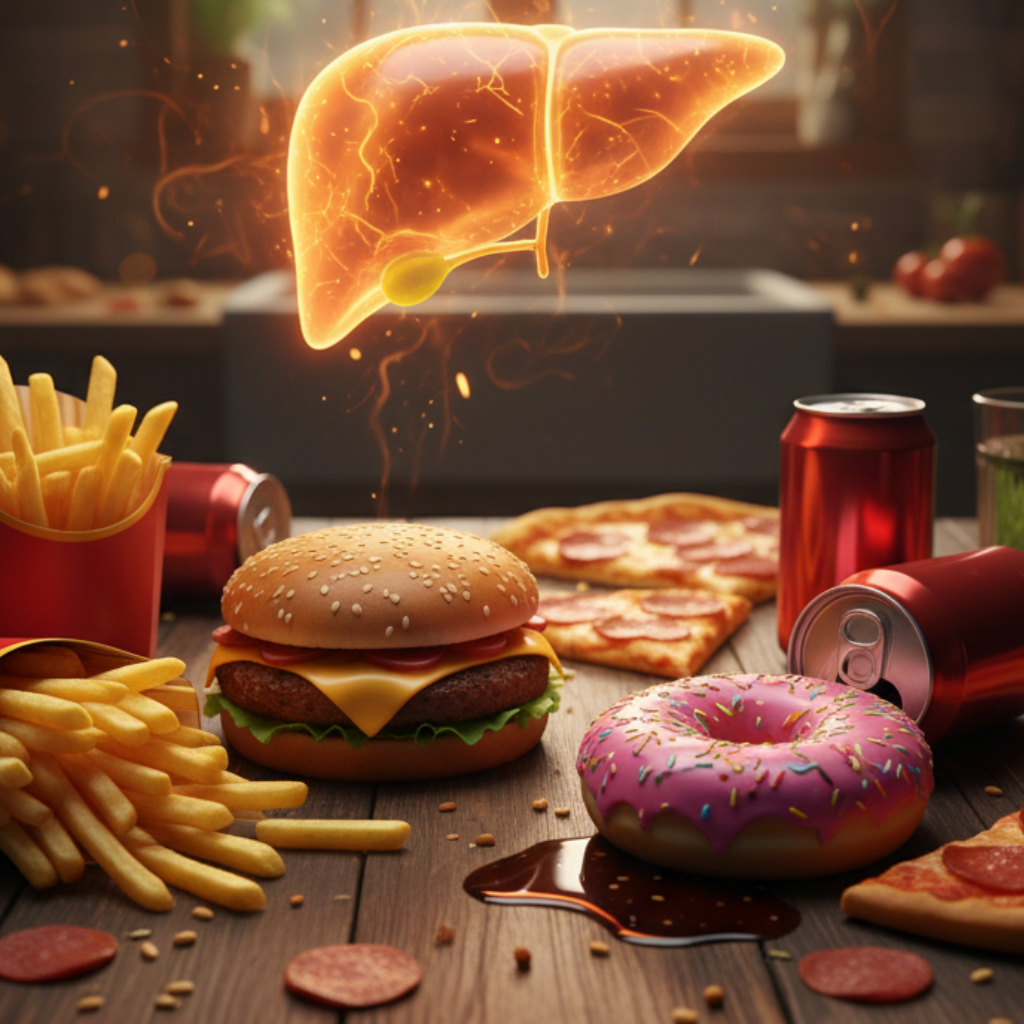
Junk Food vs. Your Liver: 3 Hidden Fats
You sink your teeth into a hot samosa. The crunch is perfect, the spice just right. Your brain celebrates. Your liver, however, begins a silent, invisible battle—one you won’t notice until years later when blood reports flash red. That weekend burger, late-night chips, or sugary cola isn’t just adding inches to your waist. It’s quietly building three dangerous fats deep inside your body that most people never hear about until it’s too late. At Gateway Clinics And Hospitals in Coimbatore, we see the fallout every day: young professionals with livers that look decades older, all because of habits that started as “just one treat.”
Visceral fat
First comes visceral fat, the deep, hidden layer that wraps around your liver, pancreas, and intestines like plastic wrap. It doesn’t bulge in the mirror or make your clothes tight. It forms fast—from trans fats in French fries and pakoras, high-fructose corn syrup in soft drinks and packaged juices, and refined carbs in white bread burgers. This fat squeezes your liver, triggering Grade 1 fatty liver in as little as six to twelve months. It spikes insulin, paving the way for early diabetes, and blocks healthy blood flow, raising heart attack risk. We once treated Mr. Ravi, a 38-year-old IT professional who loved Friday pizza nights. Despite a flat stomach, his ultrasound showed Grade 2 fatty liver. Visceral fat hides—but it hurts.
Intramyocellular lipids (IMCL)
Next is intramyocellular lipids, or IMCL—tiny fat droplets trapped inside your muscle cells. They come from excess palm oil in instant noodles and repeated sugar crashes from too many sweets with chai. Your muscles stiffen, stop burning glucose properly, and you feel heavy even after a short walk. Energy dips. And if you undergo surgery—like a hernia repair at Gateway—recovery drags on twice as long. We’ve seen patients struggle to stand on Day 2 because of high IMCL. The fix? Swap Maggi for oats upma. In just four weeks, IMCL drops by thirty percent.
Ectopic liver fat (NAFLD)
The worst is ectopic fat in the liver—the kind that settles inside liver cells and sparks inflammation, then scarring, then cirrhosis. It builds from daily fried snacks, sugary coffee, or late-night biryani with cola. This is Non-Alcoholic Fatty Liver Disease (NAFLD), now affecting one in three urban Indians. No pain, no warning—until stiffness sets in. In 2024, forty-two percent of our 1,200 GI oncology patients had NAFLD, many under 35. Junk food isn’t fun anymore. It’s a liver time bomb.
Reset plan — 3 days
Your liver filters 1.4 liters of blood every minute and stays silent until seventy percent is damaged. But you can reset it in three days at home—no juice cleanse needed.
Day 1: oats with apple, brown rice with dal and spinach, vegetable soup with one roti.
Day 2: poha with peanuts, millet khichdi with curd, grilled paneer salad.
Day 3: oil-free idli and sambar, quinoa with vegetable curry, clear rasam with steamed veggies.
Drink one liter of buttermilk daily, walk twenty minutes after dinner, and cut out oil, sugar, and maida. Patients at Gateway see liver enzymes drop fifteen to twenty percent in ten days.
Practical advice
You don’t have to quit treats. Follow the 80-20 rule: eighty percent clean, home-cooked, fiber-rich meals. Twenty percent indulgence—but air-fry, not deep-fry, and eat salad or fruit first. Fiber slows fat absorption by forty percent.
One junk meal swapped tonight = one step to a healthier liver
New Mom, New Body: 15-Minute Meal Plans Post-Delivery
You’re home with a newborn. Sleep is a myth. Cooking? Impossible. Yet the mirror shows a body you don’t recognize—extra weight, bloating, low energy. After pregnancy and delivery, most women gain 10–15 kg. Hormones are wild, time is zero, and “diet” feels like a cruel joke. But at Gateway Clinics And Hospitals, we’ve helped hundreds of Coimbatore moms shed post-baby weight without skipping feeds or burning out. The secret? 15-minute meals that heal, nourish, and shrink the waist—no fancy ingredients, no guilt.
Your body just grew a human. It needs protein to repair, fiber to fight constipation, iron to beat tiredness, and healthy fats to balance hormones. Crash diets? They crash milk supply. Starving? You’ll crash by noon. Instead, eat small, smart, fast. These plans fit between naps, diaper changes, and endless laundry.
3-Day 15-Minute Reset (No Cooking Skills Needed)
Day 1 – Rebuild
Breakfast (5 min): 2 boiled eggs + 1 banana + glass of warm milk with turmeric.
Lunch (10 min): 1 bowl cooked dal + 1 roti + grated carrot. Mash dal with jeera powder—no
oil.
Dinner (8 min): Vegetable khichdi (pre-soaked rice + moong dal in pressure cooker) +
curd.
Day 2 – Reduce Bloat
Breakfast: Oats in milk (microwave 3 min) + chopped apple + 5 almonds.
Lunch: 2 idlis + sambar (use yesterday’s leftover) + cucumber slices.
Dinner: Ragi porridge with buttermilk + steamed beans.
Day 3 – Boost Energy
Breakfast: Poha with peanuts & lemon (soak night before, toss in morning).
Lunch: Brown rice + rajma (pressure cook together) + tomato.
Dinner: Clear chicken/veg soup + 1 whole wheat bread.
Rules
Eat every 3 hours. Keep boiled eggs, fruits, curd ready. Drink 3 liters water + jeera water between feeds. Walk 10 min inside home after every meal.
Result: Moms at Gateway lose 1–1.5 kg per week, constipation vanishes in 48 hours, milk flows better, energy returns by Day 4.
The “No-Time” Hacks We Swear By
Keep a “Mom Station” on your counter: steel dabba with roasted peanuts, dry fruits, boiled eggs, cut fruits. One grab = one meal. Use one-pot pressure cooker recipes—throw in dal, rice, veggies, salt. Done in 10 minutes. Add ghee (1 tsp) to baby’s food and yours—curbs cravings, heals C-section scars from within. Avoid maida, sugar, fried snacks—they bloat, not fill.
C-Section? Listen Up
No exercise for 6 weeks, but food is your gym. Protein speeds wound healing. Fiber prevents pile-ups (common post-delivery). Iron fights dizziness. One mom gained 18 kg after twins. She followed this plan from Week 6. Lost 12 kg in 3 months—all while breastfeeding.
Red Flags?
Swollen feet, extreme fatigue, no bowel movement in 3 days
Your body made magic. Give it 15 minutes a day. It will thank you with energy, confidence, and a waist that fits your old jeans again.
How Cosmetic Gynecology Can Save Marriages: Restoring Intimacy and Confidence
In the bustling city of Coimbatore, Tamil Nadu, where life's demands often overshadow personal well-being, many couples face silent struggles in their intimate lives. Issues like vaginal laxity, discomfort during intercourse, or changes after childbirth can erode emotional bonds, leading to frustration and distance in marriages. At Gateway Hospitals and Clinics, our specialized cosmetic gynecology department offers transformative solutions that go beyond physical fixes—they reignite passion and strengthen relationships. Discover how cosmetic gynecology in Coimbatore is quietly saving marriages one confident step at a time.
Understanding the Hidden Strain on Marriages
Marital discord often stems from unspoken intimacy challenges. Studies from the Journal of Sexual Medicine show that up to 40% of women experience sexual dissatisfaction post-childbirth or due to aging, which can lead to reduced frequency of intimacy and emotional withdrawal. Partners may feel rejected, fostering resentment.
Common culprits include:
- Vaginal laxity: Loosening after pregnancy or menopause, causing reduced sensation.
- Labial hypertrophy: Enlarged labia leading to discomfort or self-consciousness.
- Urinary incontinence: Leaking during activities, affecting spontaneity.
- Dryness or pain: Hormonal shifts making intercourse painful.
These aren't just "women's issues"—they ripple through the entire relationship. But cosmetic gynecology provides safe, minimally invasive treatments tailored for women in Tamil Nadu seeking discreet, effective care.
What Is Cosmetic Gynecology? A Gentle Path to Renewal
Cosmetic gynecology enhances the aesthetics and function of intimate areas using advanced, FDA-approved techniques. Unlike traditional surgery, our procedures at Gateway Hospitals emphasize quick recovery and natural results. Key treatments include:
- Vaginoplasty (Vaginal Tightening): Tightens vaginal muscles using laser or radiofrequency energy, restoring grip and pleasure for both partners. Sessions last 30-45 minutes with minimal downtime.
- Labiaplasty: Reshapes inner labia for comfort in clothing, exercise, or intimacy—ideal for active women.
- Clitoral Hood Reduction: Improves sensitivity by reducing excess tissue.
- Non-Surgical Options like FemiLift: Laser therapy boosts collagen, treating dryness and laxity without incisions.
Our Coimbatore experts use state-of-the-art technology, ensuring 95% patient satisfaction rates (based on internal Gateway data). Imagine slipping back into honeymoon spontaneity—many couples report renewed excitement within weeks.
The Science Behind Stronger Bonds
Research backs these transformations. A 2023 study in Aesthetic Surgery Journal found vaginoplasty patients reported 80% improvement in sexual function and marital satisfaction. Enhanced physical comfort boosts oxytocin—the "love hormone"—fostering emotional closeness.
At Gateway, we prioritize holistic care: pre-procedure counseling addresses emotional aspects, while post-care includes pelvic floor exercises for lasting results.
Why Choose Gateway Hospitals for Cosmetic Gynecology in Coimbatore?
As a reputed multispecialty hospital in Coimbatore, Gateway stands out with:
- Board-certified gynecologists specializing in cosmetic procedures.
- Cutting-edge laser tech for scar-free outcomes.
- Affordable packages with EMI options.
- Confidential consultations in a judgment-free zone.
Take the First Step Toward a Happier Marriage
If intimacy issues are dimming your marital spark, cosmetic gynecology offers a lifeline. Don't let embarrassment hold you back—book a private consultation at Gateway Hospitals and Clinics today. Reclaim your confidence, pleasure, and connection.
How PCOS Is the New Nightmare of Gen Z: Why Young Women Are Struggling
Gen Z women are facing a silent epidemic: PCOS (Polycystic Ovary Syndrome), often confused with PCOD. With irregular periods, stubborn weight gain, and fertility fears hitting scrollers on Instagram and TikTok, PCOS has become the new nightmare of Gen Z. At Gateway Hospitals and Clinics, our endocrinology and gynecology experts are helping young adults reclaim control. Here's why it's exploding among 18-25-year-olds and how to fight back.
Why Is PCOS Haunting Gen Z Now?
Unlike older generations, Gen Z deals with a perfect storm: sedentary lifestyles from screen time, processed foods via delivery apps, and chronic stress from exams and jobs. Indian data from the Indian Council of Medical Research shows PCOS affects 20-25% of reproductive-age women in urban India, with Gen Z rates climbing due to:
- Lifestyle Triggers: Late nights, junk food, and minimal exercise disrupt hormones.
- Genetics + Environment: Family history plus urban pollution amplify risks.
- Delayed Diagnosis: Social media normalizes "adult acne" or "belly fat," masking PCOS symptoms in Gen Z.
It's not just "period problems"—untreated PCOS raises risks of diabetes, heart disease, and infertility by age 30.
Top 7 PCOS Symptoms Gen Z Can't Ignore
Spotting early is key. Gen Z, if this sounds like you, pay attention:
- Irregular or absent periods (hello, endless cycle-tracking apps).
- Excess facial/body hair (hirsutism) and thinning scalp hair.
- Acne and oily skin that won't quit, despite skincare routines.
- Weight gain, especially around the midsection, resisting gym efforts.
- Mood swings, anxiety, or depression—stress hormones gone wild.
- Dark skin patches (acanthosis nigricans) on neck or armpits.
- Fertility delays when trying to conceive later.
A simple ultrasound reveals those "cysts" (actually immature follicles), confirming PCOS diagnosis.
The Real Toll: Beyond Periods, Into Dreams
PCOS steals more than cycles—it derails careers and relationships. Imagine acing exams but skipping interviews due to bloating, or ghosting dates over hair growth worries. Social media amplifies the nightmare: #PCOSLife has millions of posts, yet misinformation abounds.
Long-term? Insulin resistance leads to type 2 diabetes by 40, per WHO stats. But here's hope: Lifestyle tweaks + expert care reverse 70% of cases early.
Gateway's Proven PCOS Treatment Plan for Gen Z
At Gateway Hospitals and Clinics, we get Gen Z—we offer modern, holistic PCOS treatment in India blending meds, diet, and tech:
- Personalized Diagnosis: Blood tests, ultrasounds, and hormone panels in one visit.
- Medication Mastery: Metformin for insulin control, OCPs for cycles—minimal side effects.
- Lifestyle Hacks: Custom plans with nutritionists (think millet dosas over maida), yoga, and 30-min walks.
- Advanced Therapies: Inositol supplements, laser hair removal, and fertility preservation for future planning.
- Mental Health Support: Counseling to tackle anxiety, with Gen Z-friendly apps for tracking.
Our patients drop 10-15% body weight in 6 months, regulate cycles, and glow up—real results, no filters.
Beat PCOS: 5 Gen Z Action Steps Today
- Track symptoms via apps like Flo or Clue.
- Swap soda for green tea; add spearmint for anti-androgen effects.
- Move daily—dance workouts count!
- Sleep 7-8 hours; doom-scrolling hurts hormones.
- Book a check-up—don't wait for "nightmare" status.
Don't Let PCOS Define Your Gen Z Story
PCOS may be the new nightmare of Gen Z, but Gateway Hospitals turns it into a comeback tale. Young women, your fertility, confidence, and future deserve protection—start now.
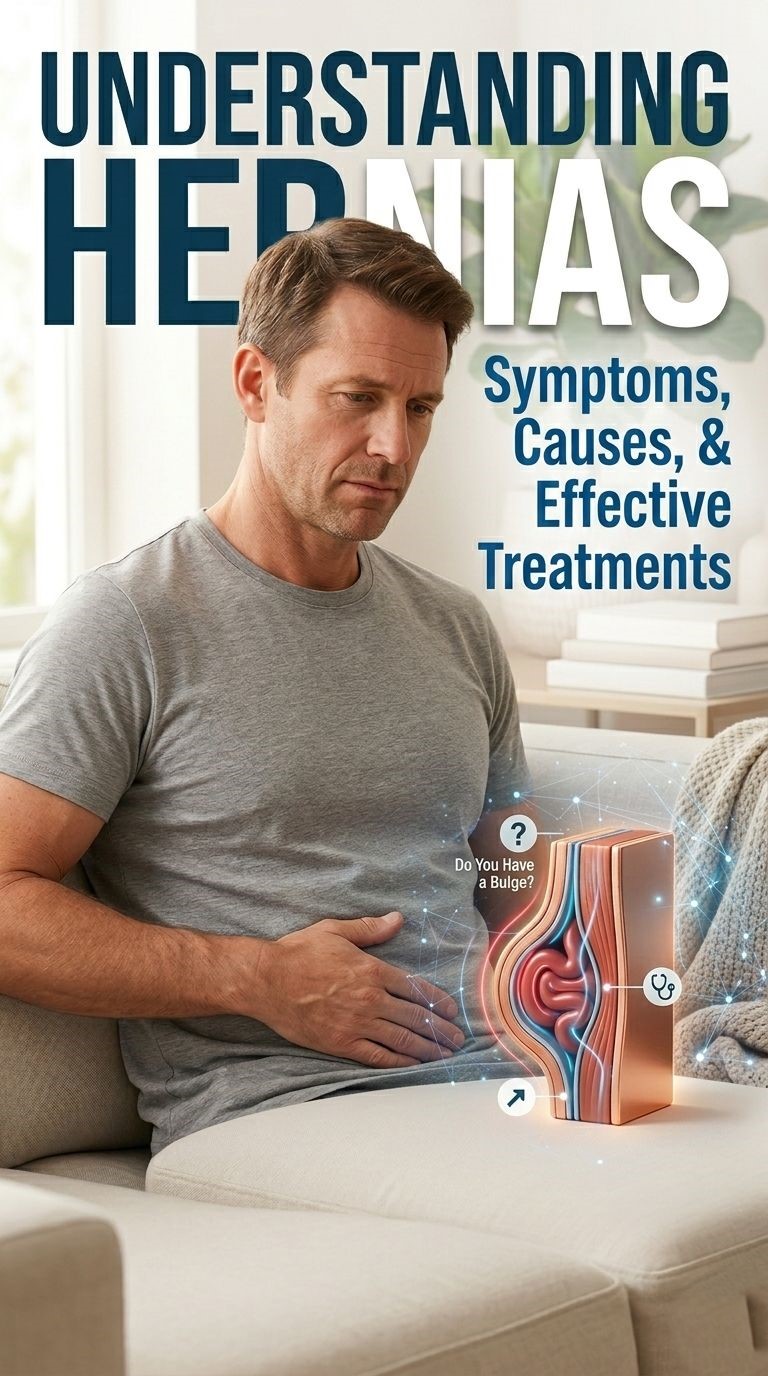
Understanding Hernias: Symptoms, Causes, and Effective Treatments
Hernias are a common medical condition affecting millions worldwide, including many in India. They occur when an organ or tissue pushes through a weak spot in the surrounding muscle or connective tissue. While often not immediately dangerous, untreated hernias can lead to complications. At Gateway Hospitals and Clinics, our surgical team provides comprehensive diagnosis and treatment. This guide covers everything you need to know.
What Is a Hernia?
A hernia develops when internal pressure forces an organ, such as the intestine, through a weakened area in the abdominal wall or diaphragm. The most common types include:
- Inguinal hernia: Occurs in the groin area; most frequent in men.
- Femoral hernia: Also in the groin; more common in women.
- Umbilical hernia: Near the belly button; often seen in infants or after pregnancy.
- Hiatal hernia: Part of the stomach protrudes through the diaphragm.
- Incisional hernia: At the site of a previous surgical scar.
According to medical studies, hernias affect about 10% of the population over a lifetime.
Common Causes and Risk Factors
Several factors contribute to hernia development:
- Increased abdominal pressure from heavy lifting, chronic coughing, constipation, or obesity.
- Weak abdominal muscles due to aging, poor nutrition, or previous surgery.
- Congenital weaknesses present from birth.
- Pregnancy, which strains the abdominal wall.
Risk factors include smoking (which weakens tissues), family history, and repetitive straining activities.
Recognizing Hernia Symptoms
Early detection is crucial. Look for these signs:
- A visible bulge in the affected area, which may disappear when lying down.
- Pain or discomfort, especially when bending, coughing, or lifting.
- A feeling of heaviness or pressure in the abdomen.
- Burning or aching sensation at the bulge site.
- In severe cases: nausea, vomiting, or sudden intense pain (indicating strangulation, a medical emergency).
If symptoms worsen or a bulge becomes irreducible, seek immediate medical attention.
Diagnosis and Treatment Options
Diagnosis typically involves a physical exam, where a doctor checks for bulges. Imaging like ultrasound, CT scan, or MRI may confirm the extent.
Treatment depends on size and symptoms:
- Watchful Waiting: For small, asymptomatic hernias.
- Surgical Repair: The definitive treatment.
- Open Surgery: Incision over the hernia site; mesh reinforcement for strength.
- Laparoscopic Surgery: Minimally invasive with small incisions and a camera; faster recovery.
- Robotic-Assisted Surgery: Enhanced precision for complex cases.
At Gateway Hospitals, we use advanced laparoscopic techniques, allowing most patients to return to normal activities within 1-2 weeks. Recurrence rates with mesh are under 2%.
Prevention Strategies
While not all hernias are preventable, you can reduce risks:
- Maintain a healthy weight through balanced diet and exercise.
- Use proper lifting techniques: bend at the knees, keep loads close.
- Treat chronic cough or constipation promptly.
- Strengthen core muscles with low-impact exercises.
- Quit smoking to preserve tissue health.
When to Consult a Specialist
See a doctor if you notice a bulge, persistent pain, or digestive issues. Early intervention prevents complications like bowel obstruction.
Gateway Hospitals and Clinics offers expert hernia care with experienced surgeons and state-of-the-art facilities.
Breast Cancer Surge: Why Cases Have Doubled for Women in the Last Decade
In the past 10 years, breast cancer cases among women have surged dramatically, with India seeing over a 50% increase according to National Cancer Registry data. Once considered a disease of older women in the West, it's now striking younger Indians earlier and more aggressively. At Gateway Hospitals and Clinics, our oncology and breast care specialists are at the forefront of detection and treatment. Understanding this rise can empower early action—let's break down the facts, causes, and solutions.
The Alarming Statistics: A Growing Crisis
From 2012 to 2022, breast cancer incidence in India rose from 1 in 28 women to nearly 1 in 16, per ICMR reports. Urban areas report 1 in 10 lifetime risk, with cases shifting younger—20% now under 40. Globally, WHO notes a 20% worldwide uptick, but India's delayed diagnoses make it deadlier here.
Why the spike? It's not random.
Key Factors Driving the Breast Cancer Increase
Multiple trends explain this decade's surge:
- Lifestyle Shifts: Late pregnancies, fewer children, and shorter breastfeeding periods elevate estrogen exposure.
- Diet and Obesity: Processed foods, sedentary jobs, and rising BMI (India's obesity tripled in 10 years) fuel hormone-driven cancers.
- Delayed Screening: Only 20% of Indian women get regular mammograms vs. 80% in developed nations.
- Environmental Risks: Pollution, pesticides, and endocrine disruptors in plastics.
- Genetics + Awareness: Better reporting uncovers more cases, but BRCA mutations play a role in 10%.
Younger women face aggressive subtypes like triple-negative breast cancer, with poorer outcomes if undetected.
Early Warning Signs: 8 Symptoms You Can't Ignore
Knowledge saves lives. Watch for:
- Lump or thickening in breast/armpit (most common).
- Changes in breast size, shape, or contour.
- Nipple retraction, discharge (especially bloody).
- Skin dimpling, redness, or "orange peel" texture.
- Persistent breast pain (uncommon but notable).
- Swollen lymph nodes.
- Unexplained weight loss or fatigue.
Self-exams monthly + annual mammograms from age 40 (or earlier with family history) catch 90% early.
Prevention and Risk Reduction Strategies
You can act now:
- Limit alcohol; maintain healthy weight.
- Breastfeed if possible; exercise 150 minutes/week.
- Avoid hormone therapies post-menopause.
- Genetic testing for high-risk families.
Gateway's Comprehensive Breast Cancer Care
Early detection = 95% 5-year survival. Our approach:
- Advanced Screening: Digital mammography, 3D tomosynthesis, MRI, and biopsy.
- Multidisciplinary Treatment: Surgery (lumpectomy/mastectomy), chemotherapy, radiation, targeted therapies (e.g., HER2 inhibitors).
- Oncoplastic Reconstruction: Aesthetic-preserving surgery.
- Support Services: Counseling, nutrition, survivorship programs.
We've helped hundreds achieve remission with personalized plans.
Take Control: Your Next Steps
The breast cancer surge over the past decade is real, but so is hope through awareness. Don't wait for symptoms—early screening changes everything.
